MAX Technology Carrier
Demo Car with Maximum Measurement Technology
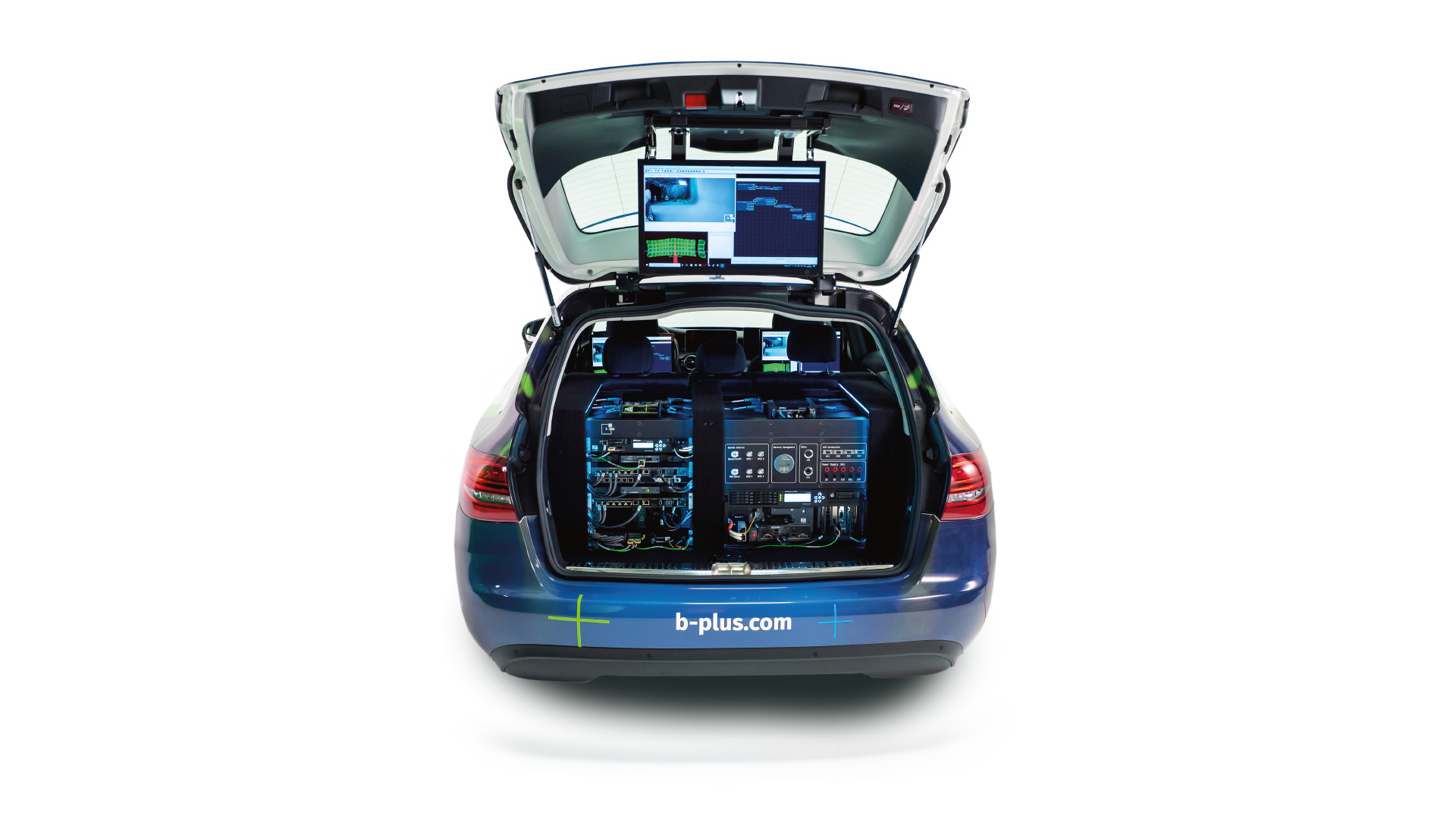
MAX shows the next generation of measurement technology for camera, radar and lidar data in the vehicle. In cooperation with Bertrandt AG, the extensive test setup including sensor technology was integrated into the demo car. It demonstrates the latest technologies, hardware and software for the time- and cost-optimized development of driver assistance systems and autonomous driving.
The modular design ensures a customized solution and further expandability.
As our demo car, MAX shows what is feasible from today’s state of the art – and that of tomorrow. The test setup covers topics from the initial decoupling of sensor raw data at the front end, to the time-synchronous and reliable distribution of sensor raw data, to the on-board analysis of the sensor data stream, to the recording and storage of data on data center class storage solutions. This demo car is complemented by intelligent energy management and test fleet management, with which test fleets can be fully managed.
Measurement Setup
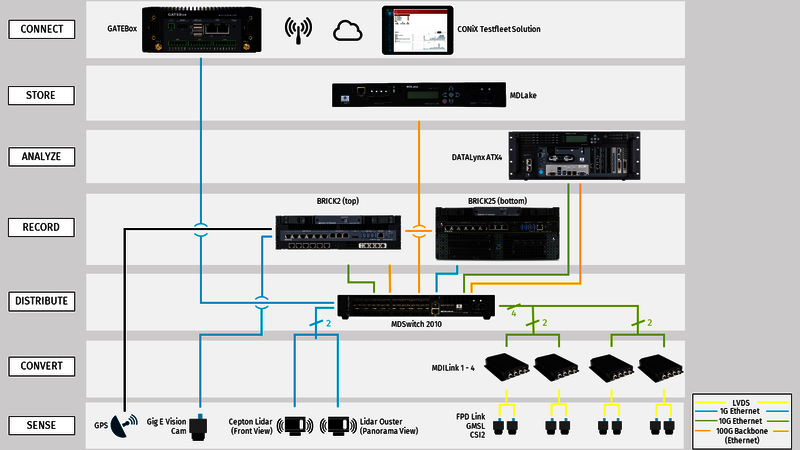
The measurement architecture of the test vehicle consists of several levels. Starting with the connection and decoupling to the raw sensor data in the sensor level, the tool chain in the interface level contains the distribution of the data with switches. After the data distribution, the online analysis of the data recording and its storage takes place in the connect level. The storage level is used to manage the test fleet and the overall system.
Hardware Components
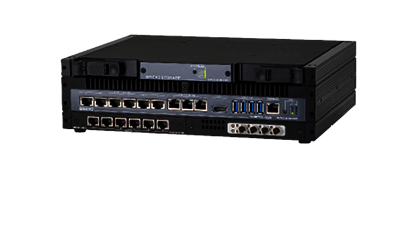
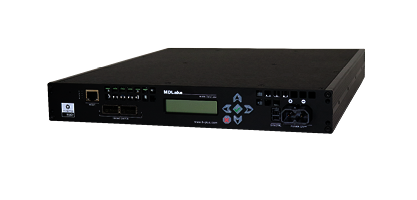
BRICK2
Recording Platform
Recording of raw data
from sensors and ECUs
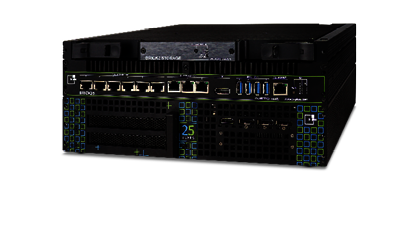
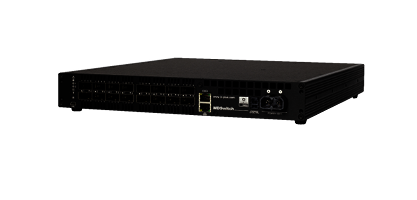
BRICK25
Recording Platform + GPU
Recording of raw data
from sensors and ECUs
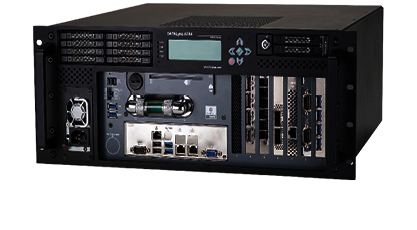
DATALynx ATX4
High-Performance Computing
Multi-I/O-Recording-Setup
Deep Learning- and AI-Platform
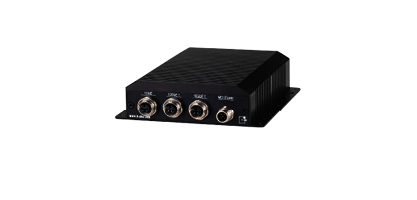
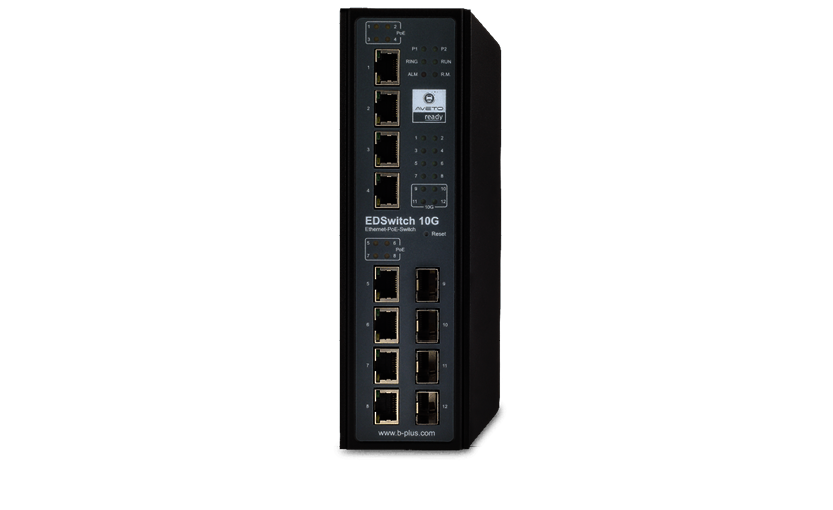
EDSwitch 10G
Industrial Managed
Ethernet-PoE-Switch
for automotive applications
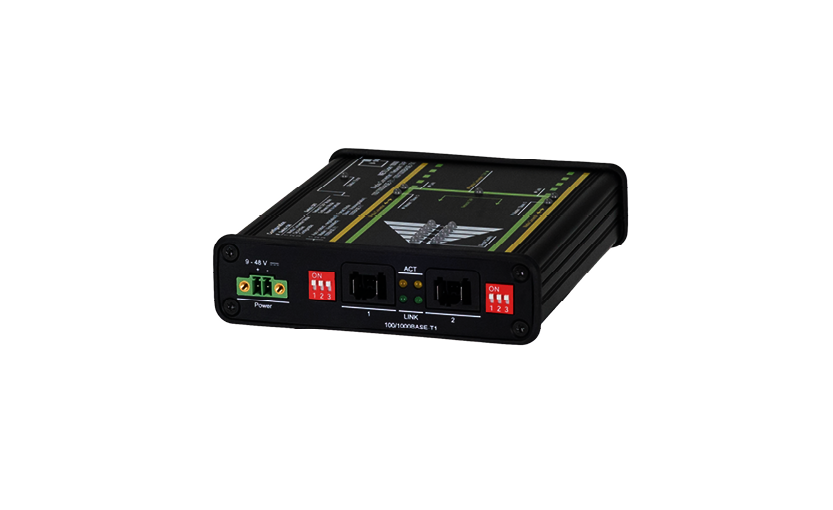
NETLion 1000
Automotive Ethernet
development tool
100/1000BASE-T1
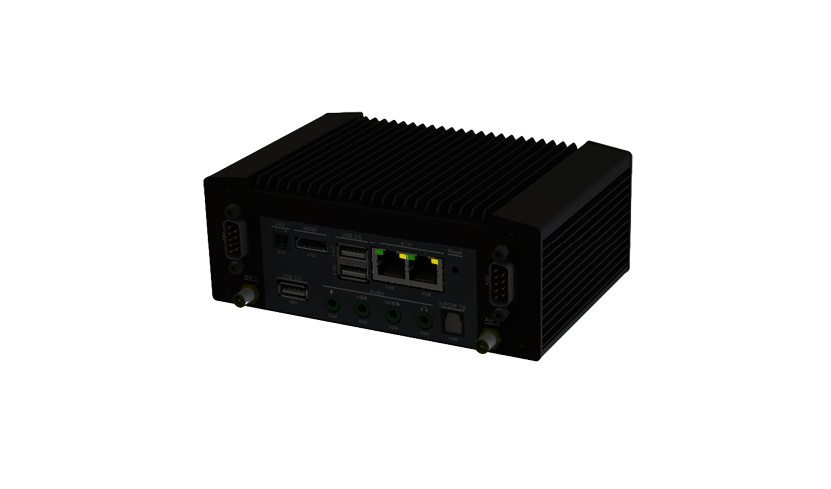
GATEBox
Embedded Box PC
Connectivity via LTE/WLAN
Software Components
CONiX Testfleet Solution
Cloud-based management
of test fleets
AVETO.dps
Solution for precise
rawdata logging for processing
and recording of data rates
over 100 Gbit/s
AVETO.app
Software framework
for the visualization
of sensor data streams
Sensor Setup
The professional sensor setup was integrated by our partner Bertrandt AG. It comprises nine cameras and two LIDAR sensors, giving our demo vehicle MAX complete 360° sensor coverage. This provides the data basis for the AD Validation Toolbox and a large bandwidth for the acquisition, distribution, processing and recording of all measurement data.
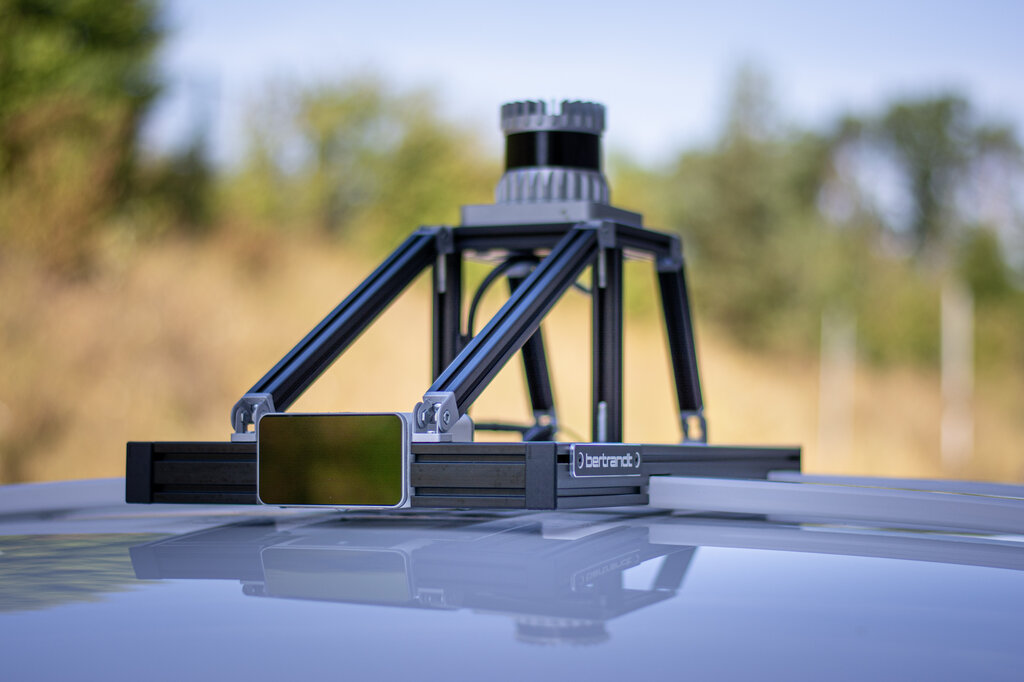

The following sensors have been integrated:
| Anzahl | Gerät |
| 8 | FPD Leopard Camera |
| 1 | Cepton Vista®-X90 |
| 1 | Ouster Lidar OS-1-64 |
| 1 | Basler GigE Vision Camera |
Smart Recording
Smart Recording: The Future of (Efficient and Intelligent) Data Harvesting
“Every Bit is Gold” – This is the motto of many OEMs and Tier1s developing sensor-based systems in the field of driver assistance and autonomous driving. They collect as much data as possible from real test drives for validation. However, developers quickly face numerous problems with this approach.
Storing the data in the vehicle, as well as transporting it over the network, storing it in the data center and finally processing it all involves very high costs. At the same time, no information is obtained about the relevance of the collected data. It is therefore not unlikely that some recordings or scenes are duplicated or simply not usable because of to poor data quality. This comes into play when long test drives are affected due to limited storage capacity, incorrect or corrupt data in the vehicle.
It quickly becomes clear that this approach to data harvesting is proving to be extremely inefficient and costly. Especially when you regard advancing technology and accompanying ever-increasing amounts of data. We, at b-plus, have developed a solution to this problem through our Smart Recording platform:
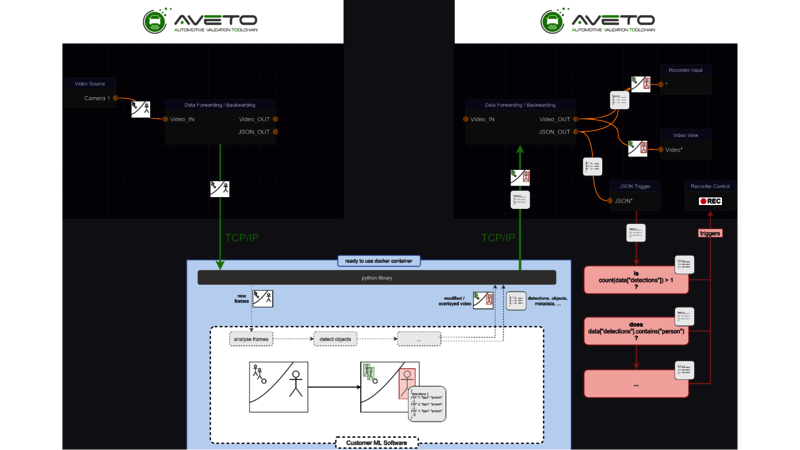
Behind the term Smart Recording is the combination of the AVETO Toolbox, which enables the pre-selection of interesting and relevant driving scenes at an earlier stage of the process. The recognition and tagging of raw data is already integrated into the recording process. The data stream can be filtered according to different scenarios: for example, specific objects on the road, the number of pedestrians, or even specific scenarios such as overtaking events. With Smart Recording, not all driving data is recorded and fed in, but the recorder is only triggered for relevant scenes.
Our Smart Recording solution enables monitoring of all recordings with regard to content and quality. The data is already prioritized during recording. This way, the amount of data can be reduced to 5%. This corresponds to a saving of 60 terabytes during an 8-hour test drive.